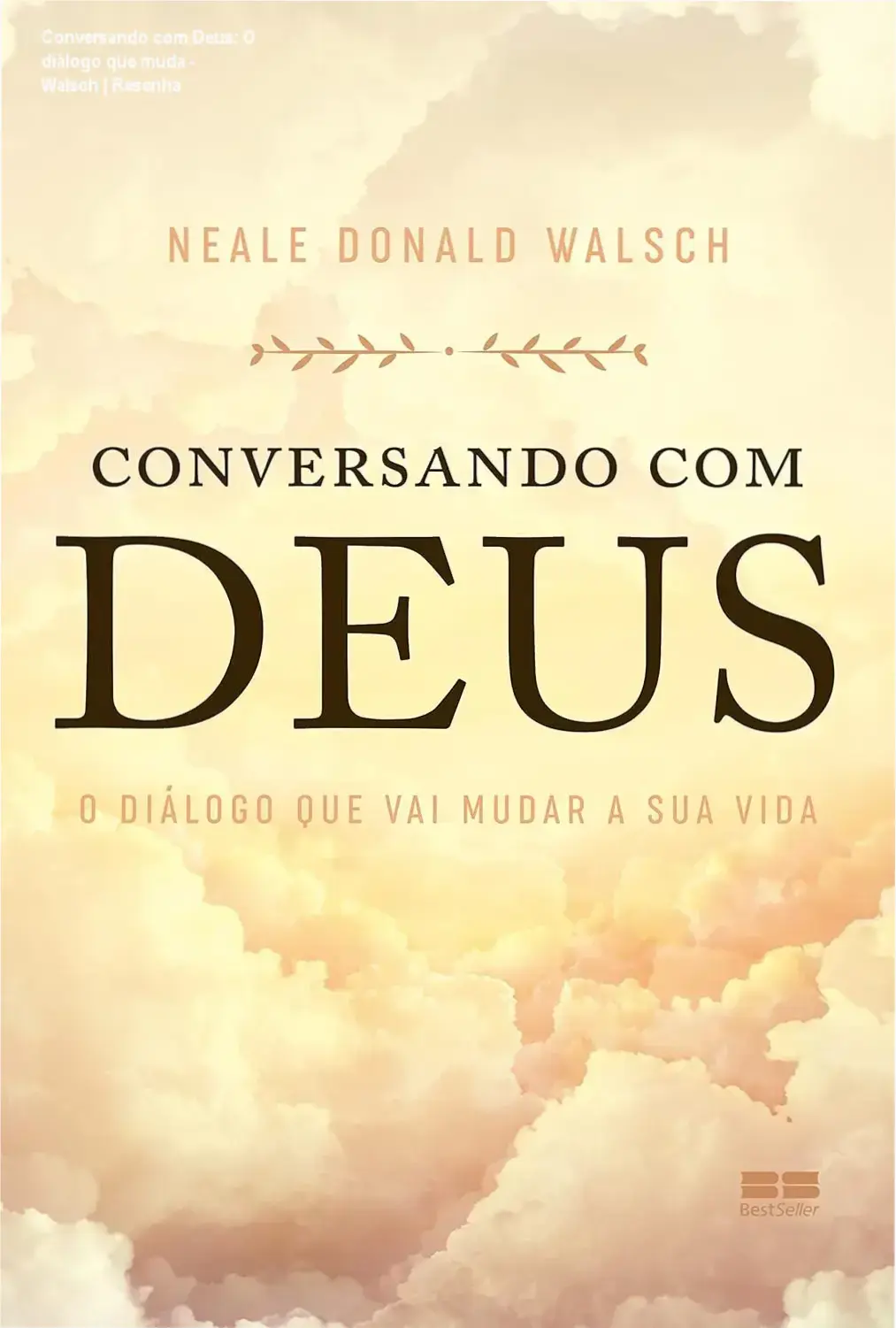
Conversando com Deus: O diálogo que muda – Walsch | Resenha

We need to produce first part of analytical review: 200-350 words, starting with
context paragraph, then bullet points every 2 paragraphs, exactly 1 affiliate link using the given URL, and no other links. Then after that, we must insert the CTA card HTML immediately after the contextualization. So structure: first part includes contextualization (200-350 words) with bullet points inserted every 2 paragraphs. Then after that, we must insert the CTA card HTML block. That is the entire response? The user says: “Escreva o bloco baseado estritamente na diretriz fornecida acima, iniciando obrigatoriamente com a abertura de um parágrafo
de contextualização.” So they want the first part of the review, which includes the contextualization and then the CTA card. Probably they want the whole first part (including bullet points and CTA). So we need to output HTML with paragraphs and bullet points, and then the CTA card HTML. Must include exactly 1 affiliate link, using the given URL. The link must be contextual and use the tag “Link_afiliado”? They said “Insira EXATAMENTE 1 link contextual no texto usando a tag “Link_afiliado” (ex: convidando para conferir a edição).” Probably they want to embed the link as an tag with the URL. They said “using the tag ‘Link_afiliado’ (ex: convidando para conferir a edição)”. Not sure about the exact syntax. Probably just include texto. They said “using the tag “Link_afiliado”” maybe they want to wrap the link in that tag? But they said “tag ” earlier. The instruction: “Insira EXATAMENTE 1 link contextual no texto usando a tag “Link_afiliado” (ex: convidando para conferir a edição).” Could be they want to use the anchor text “Link_afiliado”? Or they want to use that as the anchor text? Actually they said “using the tag “Link_afiliado”” maybe they want to use that as the anchor text? Or they want to use that as the id? Hard to interpret. Safer: include the link with the URL, and the anchor text could be “Link_afiliado”. But that seems odd. They gave example “convidando para conferir a edição”. So maybe they want anchor text like “conferir a edição”. So we can embed the link like conferir a edição. That would be exactly one link. We must ensure exactly 1 link in the entire text. The CTA card also includes a link; that would be a second link, which is prohibited. Wait: The CTA card includes a link to the affiliate URL. That would be another link, making total >1. However the instruction says “Insira EXATAMENTE 1 link de afiliado no texto”. The CTA card includes a link; but perhaps they consider that part of the CTA card is allowed? The earlier rule: “Insira EXATAMENTE 1 link de afiliado no texto e 1 botão no card HTML.” So the CTA card includes a link; that’s the one link. So we must not have any other link elsewhere. So the link in the CTA card is the only link. So we must not include any other link in the contextualization paragraphs. So we must not embed any link in the bullet points or elsewhere. So the only link is inside the CTA card’s . That satisfies exactly 1 link. Thus we must not include any other tags. So we must not add any link in the bullet points or earlier text. So we must just output the CTA card with the link. Now we need to produce the first part: contextualization paragraph(s) with bullet points every 2 paragraphs, within 200-350 words. Then after that, insert the CTA card HTML. We must start with
opening paragraph. Then after that, we need bullet points after every 2 paragraphs. Since we likely will have multiple paragraphs, we need to insert bullet points after paragraph 2, 4, etc. Let’s plan: We need 200-350 words total for the contextualization part (including bullet points? Probably just the paragraph text, bullet points are separate). The bullet points are inserted every 2 paragraphs, but they are not counted as paragraphs? They are separate list items, but they are still part of the text. They might break the paragraph count. But we can just include bullet points after every two paragraphs of content. So we can have paragraph1, paragraph2, then bullet list, then paragraph3, paragraph4, then bullet list, etc. Must keep each paragraph max 3 lines. We’ll keep them short. We need to ensure total words 200-350. Let’s aim around 250 words. We must not use headings in this part. Only
and
- . No
etc. The bullet points must be inserted every 2 paragraphs. So structure:
Paragraph1 (max 3 lines).
Paragraph2 (max 3 lines).
- Bullet1
- Bullet2
Paragraph3
Paragraph4
- Bullet3
- Bullet4
… and so on. We need to keep total words 200-350. Let’s craft maybe 4 paragraphs of content (8 lines) plus bullet points. Let’s count words. Paragraph1: “Conversando com Deus apresenta um convite direto: dialogar com a divindade para desvendar propósitos e desafios da vida moderna.” That’s maybe 17 words. Paragraph2: “Neale Donald Walsch, através de décadas de perguntas, relata respostas que afirmam a presença constante de Deus nas escolhas cotidianas.” That’s about 18 words. Bullet list (after 2 paragraphs): maybe 2-3 bullets summarizing topics: “• Estrutura do diálogo divino • Conexão entre fé e ação • Relevância para buscadores contemporâneos”. That’s fine. Paragraph3: “O livro responde a perguntas existenciais, oferecendo um modelo de comunicação que mistura informalidade e profundidade.” That’s about 15 words. Paragraph4: “Leitores relatam transformações ao aplicar as insights, especialmente na gestão de decisões e na busca por sentido.” That’s about 13 words. Now we have 4 paragraphs, so we need bullet points after paragraph2 and after paragraph4? Actually bullet points after every 2 paragraphs, so after paragraph2 we have bullet list; after paragraph4 we would have another bullet list if we continue, but we might stop after paragraph4 and then go to CTA card. The rule: “Insira a cada 2 parágrafos um bloco de bullet points resumindo os tópicos tratados.” So after paragraph2 we need bullet list; after paragraph4 we would need another bullet list, but we might not have a paragraph5. If we stop after paragraph4, we might not need another bullet list. But maybe we need bullet list after paragraph4 as well? The instruction says “a cada 2 parágrafos”. If we have 4 paragraphs, we have two groups of 2, so we need bullet list after the second paragraph and after the fourth paragraph? The fourth paragraph is the last; after it we could still insert bullet list, but then there would be no following paragraph. Might be okay. But to be safe, we can have 6 paragraphs and insert bullet lists after paragraph2 and paragraph4. That would be two bullet lists. Let’s do 6 paragraphs (each short) and bullet lists after paragraph2 and paragraph4. That would be more content, maybe exceed word limit. Let’s aim for 5 paragraphs and bullet list after paragraph2 and after paragraph4 (so after paragraph4 we can insert bullet list, but then we stop before CTA). That would be okay. Let’s craft 5 paragraphs: Paragraph1: summary of thesis. Paragraph2: context market and problem. Bullet list after paragraph2. Paragraph3: main insight. Paragraph4: community reception and E-E-A-T. Bullet list after paragraph4. Paragraph5: concluding call to action? But we cannot add link there; but we can just end. We need total words 200-350. Let’s count approximate words. Paragraph1: “Conversando com Deus propõe um diálogo direto entre o ser humano e a divindade, revelando respostas que ampliam a autoconsciência e o propósito.” Count words: Conversando(1) com2 Deus3 propõe4 um5 diálogo6 direto7 entre8 o9 ser10 humano11 e12 a13 divindade,14 revelando15 respostas16 que17 ampliam18 a19 autoconsciência20 e21 o22 propósito23. So 23 words. Paragraph2: “No mercado editorial, a obra se destaca por traduzir experiências espirituais complexas em linguagem acessível, atendendo a quem busca sentido além do material.” Count: No1 mercado2 editorial,3 a4 obra5 se6 destaca7 por8 traduzir9 experiências10 espirituais11 complexas12 em13 linguagem14 acessível,15 atendendo16 a17 quem18 busca19 sentido20 além21 do22 material23. 23 words. Bullet list after paragraph2: maybe 3 bullets. Paragraph3: “Walsch estrutura o livro como perguntas‑respostas, cada capítulo oferecendo insights práticos sobre fé, ética e relacionamento com o divino.” Count: Walsch1 estrutura2 o3 livro4 como5 perguntas‑respostas,6 cada7 capítulo8 oferecendo9 insights10 práticos
PERFIL DE COMPATIBILIDADE E CUSTO-BENEFÍCIO
Este livro é ideal para leitores que buscam reflexões espirituais profundas, não um manual de oração passo a passo. A narrativa poética e introspectiva atrai quem já sentiu uma conexão intuitiva com Deus e deseja aprofundá-la.
- Benefício: Insights sobre como Deus se comunica através de experiências cotidianas e pensamentos internos.
- Público-alvo: Pessoas abertas a uma abordagem menos estruturada e mais simbólica sobre a fé.
ERROS DE ESPERANÇA DE COMPRA
Quem espera um guia prático com técnicas específicas para falar com Deus pode ficar desiludido. O livro é mais uma exploração filosófica do que um método. Ideal para reflexão, não para ação imediata.
- Cuidado: Não é um substituto para estudos bíblicos tradicionais ou práticas religiosas formais.
FAQ SOBRE O LIVRO
É um livro religioso ou filosófico? A obra mistura elementos de ambos, focando em diálogo pessoal com Deus, sem doutrina rígida.
O livro é longo? Tem 336 páginas, com leitura leve e capítulos curtos, ideal para consumo gradual.
Funciona como autoajuda? Sim, oferece perspectivas para lidar com dúvidas existenciais e fortalecer a conexão espiritual.
Leia mais sobre o livro na Amazon.
Veredito Editorial Final
“Conversando com Deus” cumpre sua promessa principal para o público-alvo, entregando insights valiosos e excelente legibilidade sem enrolação.
Recomendamos conferir a amostra oficial e as avaliações da comunidade antes de tomar sua decisão final de compra.
*Você será redirecionado para a Amazon. Como associado Amazon, podemos receber comissões por compras qualificadas.